


Welcome to orinanews.com, where the world’s biggest developing stories are explained in simple language. The United States and Israel are drawing up plans for fresh strikes on Iran that could begin in early November, after the US midterm elections — a move that has already sent oil prices soaring and rattled global markets. At orinanews.com, we have gathered every verified fact about the US Israel Iran strikes plan, from the reported targets to Tehran’s blunt warning. Read the full breakdown below and follow https://orinanews.com for continuing coverage of this fast-moving story.
In this article:
- US Israel Iran Strikes: The November Attack Plan
- Elections and Diplomacy: Timing the US Israel Iran Strikes
- Iran’s Blunt Warning: Ready for War and Diplomacy
- Markets Reel as Oil Soars Above $113
US Israel Iran Strikes: The November Attack Plan
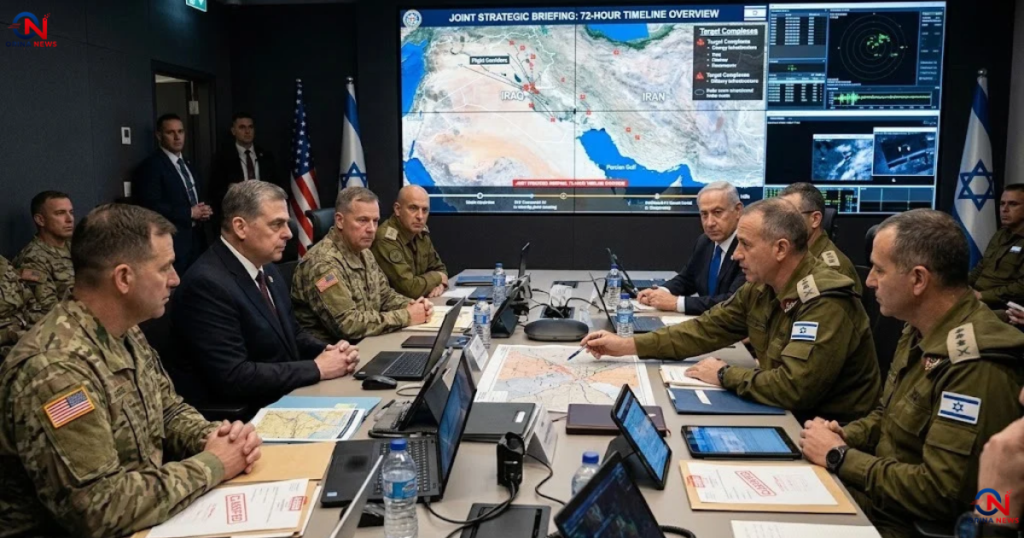
According to The New York Times, the US and Israeli militaries have drawn up plans for another round of strikes on Iran following the US midterm elections, with preparations progressing for what could be a brief but intense military campaign. The potential targets include Iran’s nuclear facilities, energy infrastructure, and stockpiles of missiles and drones, the newspaper reported, citing US officials and others familiar with the discussions. The two militaries have intensified training exercises, including flights over Iraq to rehearse strike operations. One account described a proposed 72-hour campaign aimed at Iran’s nuclear facilities, missile and drone capabilities, and potentially energy infrastructure. US Defense Secretary Pete Hegseth met Israeli Prime Minister Benjamin Netanyahu in Israel this week to discuss the possibility of renewed attacks. It remains uncertain whether President Donald Trump will authorize the strikes — the Times noted he has repeatedly rejected proposals to resume large-scale combat operations this year. A White House official said the administration does not comment on military plans “that may or may not exist,” adding that Trump is keeping all options open to prevent Iran from obtaining nuclear weapons.
Elections and Diplomacy: Timing the US Israel Iran Strikes

The calendar is driving the planning. A person briefed on the US and Israeli war planning told NPR that Israel had initially planned to strike Iran in mid-October, about two weeks before Israeli elections on October 27 — but President Trump objected. The US is now amassing forces in the region to be ready to attack by early November, after the US midterm elections on November 3. The same source cautioned that the preparations could also be part of a campaign to pressure Iran into reaching a diplomatic deal. Netanyahu, who is seeking reelection, is campaigning on a threat to topple Iran’s regime. Trump has promised repeatedly that there will be no strikes on Iran before the midterms, though he told reporters this week that “something one way or another” will “happen fairly soon” in Iran. The contrast was on display at home too: Trump told a Kentucky rally crowd the Iran war was “going to end very quickly” and would bring gas prices down — even as his own military planners prepared for the opposite scenario.
Iran’s Blunt Warning: Ready for War and Diplomacy
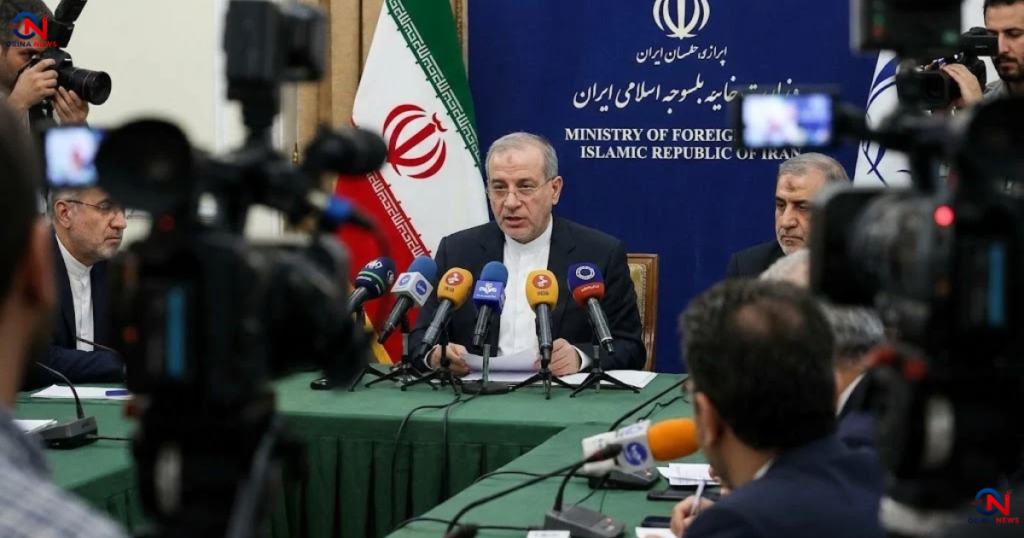
Tehran says it is prepared for whatever comes. Iran’s Foreign Minister Abbas Araghchi told Iranian state media, “We are just as prepared for diplomacy as we are for war,” adding that “any scenario is conceivable, including the possibility of an attack by the US and Israel.” Iranian state media quoted a security source warning that if Iranian officials or civilian infrastructure were attacked, Iran would retaliate against US interests in the region as well as the assets of countries participating in the war. The threats have already turned physical: Iranian state media said seven oil tankers in the Strait of Hormuz were targeted by the Revolutionary Guard on Thursday — four caught fire and three hit naval mines. The Guard has also threatened data centers and underwater internet cables in the Gulf. One of its political deputies, Yadollah Javani, said Iran was prepared to destroy internet cables running under the Strait of Hormuz and declared, “The Americans must leave the region — they no longer have a place here.” This is the latest chapter of a war that began on February 28, when the US and Israel launched strikes on Iran, killing its supreme leader and senior officials. Since then, a ceasefire has failed, Iran has blocked the Strait of Hormuz — the world’s most important oil waterway — and Washington has answered with a blockade on Iranian ports and oil shipments.
Markets Reel as Oil Soars Above $113
Financial markets are already pricing in the danger. The New York Post reported that Brent crude oil futures jumped 4 percent to $113.17 a barrel while US crude climbed 2.4 percent to $99.47, as traders feared an escalation after a month-long pause in American strikes. The Nasdaq plunged 2.6 percent to 26,008.86 — its worst day since June — while the S&P 500 fell 1.21 percent. In a sign Washington is taking the threat seriously, the US ordered non-emergency personnel and their families to leave Saudi Arabia. A State Department spokesman denied reports of wider embassy evacuations, saying the Saudi move was tied to Houthi attacks in the region. The economic damage is already visible: a new International Monetary Fund report says disruptions to energy, shipping, tourism, and trade have delivered substantial shocks to Gulf economies, with Iraq, Kuwait, and Qatar facing contractions of around 16 percent this year and Saudi Arabia and the United Arab Emirates in recession. The IMF warns that if the war continues and energy disruptions persist, oil will average $130 a barrel in 2027.
FAQs
When could the US and Israel strike Iran?
Plans point to early November, after the November 3 US midterm elections. Israel holds its own elections on October 27.
What would the strikes target?
Reported targets include Iran’s nuclear facilities, energy infrastructure, and stockpiles of missiles and drones.
Why did Trump block an October strike?
A source told NPR that Israel planned to strike in mid-October, but Trump objected. He has promised no strikes before the midterms.
How has Iran responded?
Tehran says it is ready for diplomacy and war, threatened retaliation against US interests, and its forces reportedly targeted seven oil tankers this week.
How are markets reacting?
Brent crude topped $113 a barrel and the Nasdaq suffered its worst day since June. The IMF warns oil could average $130 a barrel in 2027 if the war continues.

Muhammad Anis is the founder and editor of Orina News, where he covers daily US, UK, Australian, Canadian and Italian news in simple English. He writes about politics, business, technology and sport, focusing on the stories that matter most to readers.