


Welcome to orinanews.com, where we explain the world’s biggest money stories in simple words. UK GDP August 2026 figures surprised everyone this week: the British economy grew by 0.1% when most economists had predicted a fall, and London’s stock market jumped to its highest level in nearly a month.
Chancellor John Healey called the numbers welcome news and promised a budget built on fiscal discipline. At orinanews.com, we break down the five market moves that matter, what drove them, and what they mean for your wallet. Keep reading https://orinanews.com for daily business news.
In this article:
- The Surprise Figure: 0.1% Growth in August
- FTSE 100 Jumps to a Near One-Month High
- Healey’s Fiscal Discipline Pledge
- The Pound, Gilts and Interest Rates
- What It Means for British Households
The Surprise Figure: 0.1% Growth in August
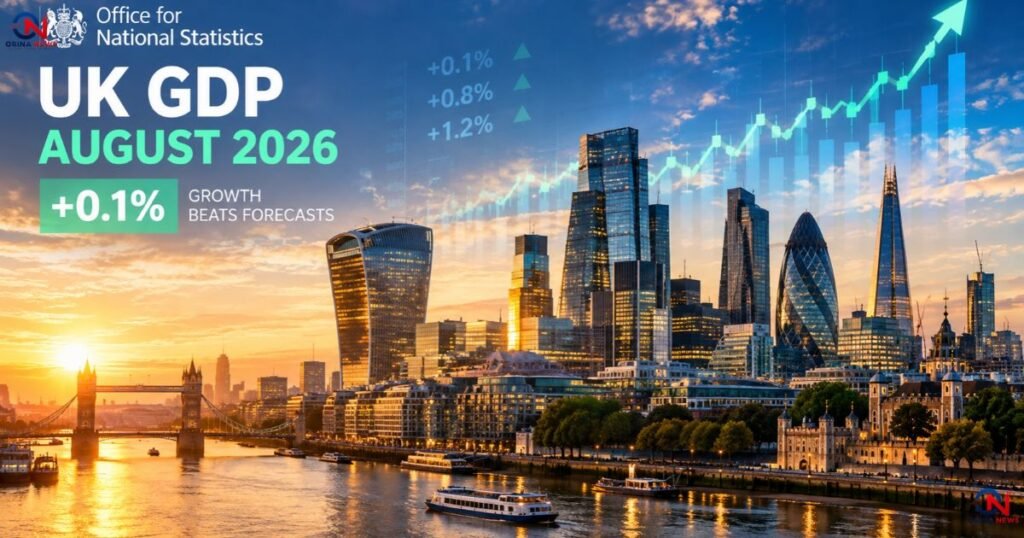
The Office for National Statistics reported on October 15 that UK GDP August 2026 data showed the economy grew by 0.1%, defying a Reuters poll of economists that had forecast a 0.1% decline. Growth was driven by the production sector, which expanded 0.8% – its fastest pace in nine months – with manufacturing up 1.2% thanks largely to a strong month for pharmaceuticals. The statistics body also revised June’s growth upward from 0.3% to 0.4%, and said the economy grew by 0.7% over the three months to August, following 0.4% growth in July. The key services sector, which dominates the British economy, was flat for the month after strong gains in June and July. The result suggests surprising resilience even as consumer spending softens and global volatility from the Middle East conflict weighs on trade.
FTSE 100 Jumps to a Near One-Month High
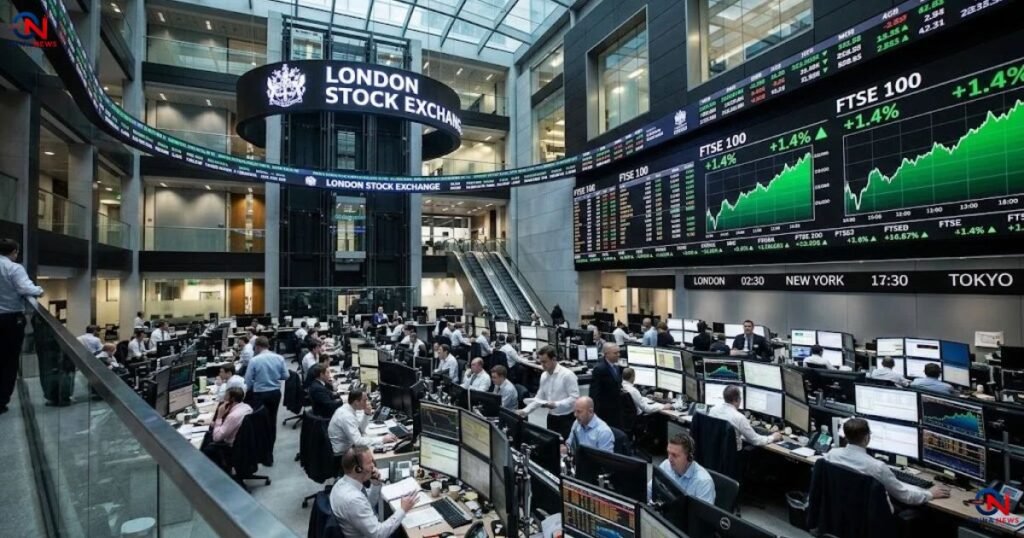
London’s blue-chip index responded immediately: the FTSE 100 rose 0.54% to 10,782.98 points by 09:50 GMT on Thursday, its highest level since September 18, led by heavily weighted banks. NatWest Group climbed 2.3% and Standard Chartered gained more than 1%, while consumer staples extended gains with British American Tobacco up 2.6% and British Land rising 2.6% after forecasting higher half-year profit on office and retail park demand. Among midcaps, e-commerce group THG surged 18% after lifting its annual profit forecast. The more domestically focused FTSE 250 edged 0.07% lower, a reminder that the rally was narrow rather than broad. Limiting the gains, industrial metal miners fell 3.1% on weaker copper prices amid fears of further US Federal Reserve rate hikes, and Chilean miner Antofagasta dropped 5.8% after reporting lower third-quarter copper production.
Healey’s Fiscal Discipline Pledge
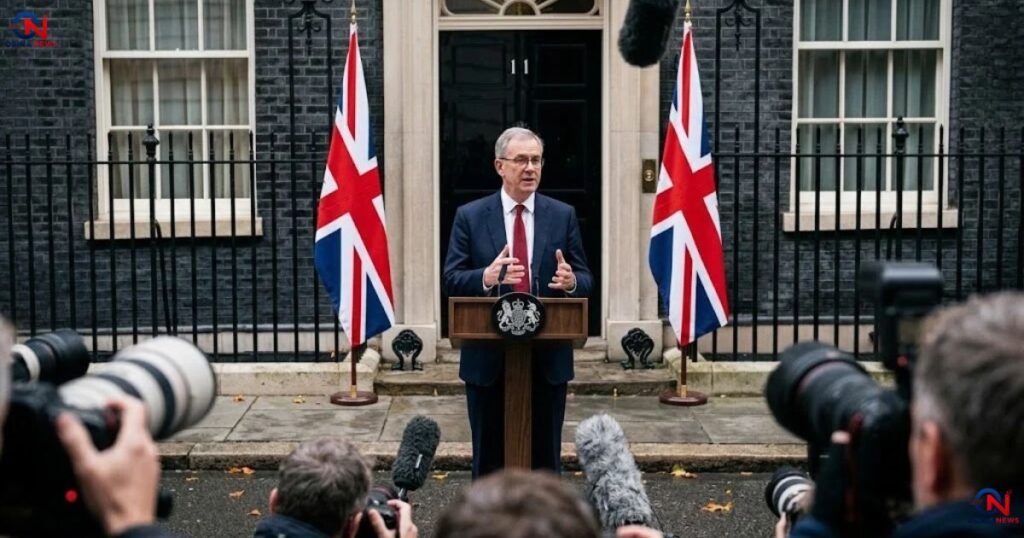
Investors were also reassured by Chancellor John Healey, who said this month’s budget would aim to bolster economic resilience and stressed that he and Prime Minister Andy Burnham were aligned on maintaining fiscal discipline. Healey described the UK GDP August 2026 figures as “welcome news” and pointed to upgraded IMF forecasts, saying Britain’s fiscal discipline stood out with the lowest deficit in the G7 forecast by 2029. His comments helped push the benchmark 10-year gilt yield down to 5.34%, easing pressure on government borrowing costs and lifting bank shares. With the autumn Budget approaching, markets are watching for firmer assurances on sustainable debt levels after a volatile stretch for British bonds.
The Pound, Gilts and Interest Rates
Sterling enjoyed its best day in weeks as sterling climbed 0.5% to $1.3253, its biggest daily rise against the dollar since mid-August, helped by a softer greenback and the surprise UK GDP August 2026 growth data. The euro steadied against the pound at 84.60 pence. Bank of England chief economist Huw Pill added a dovish note, saying any future interest rate increase should not be read by investors as the start of a prolonged series of hikes. Economists polled by Reuters still expect the Bank to raise rates to 4% in November, though they narrowly expect policymakers to hold steady after that. Healey also said the budget would include measures to cushion Britain’s economy from the energy price shock linked to the Iran war and give households “a bit of breathing space,” while meeting the government’s fiscal rules.
What It Means for British Households
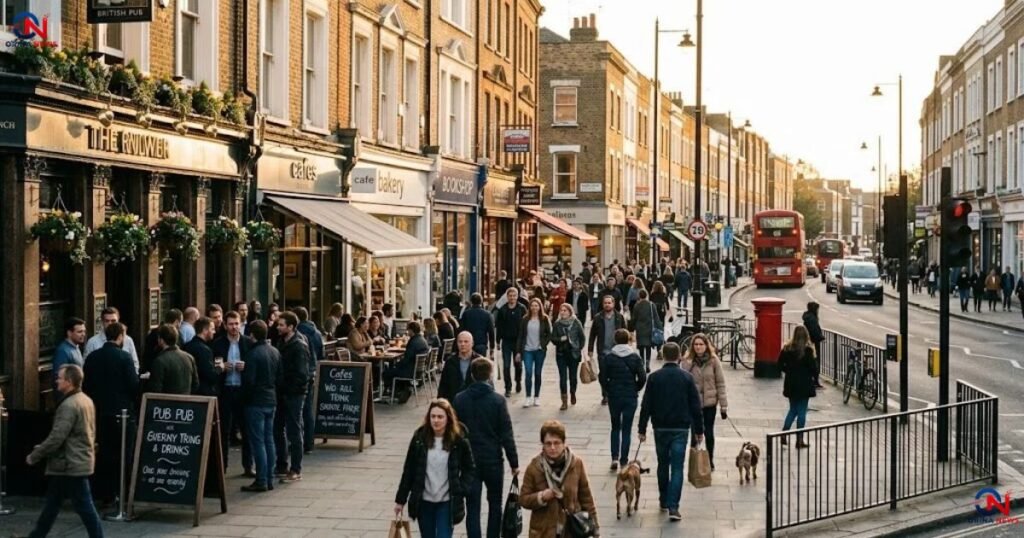
Beneath the headline number, the picture for ordinary Britons is mixed. Bars and restaurants saw output fall 2.7% in August and construction slipped 0.2% amid pressure from high mortgage rates, suggesting households are still cutting back on discretionary spending. On the brighter side, experts highlighted strength in motor vehicle sales, and factory output gave the month its lift. The broader message from economists is that the engine of the UK economy is slowing from its strong first half, with energy prices still biting into incomes. For now, the combination of modest UK GDP August 2026 growth, a calmer bond market and a steadier pound gives the Chancellor a slightly easier backdrop for the Budget – but economists caution there may be hiccups to come before year-end.
FAQs:
- What is UK GDP August 2026? The ONS reported the UK economy grew 0.1% in August 2026, beating forecasts of a 0.1% fall, driven by strong factory and manufacturing output.
- Why did the FTSE 100 rise? The index gained 0.54% to 10,782.98, its highest since September 18, as banks rallied after Chancellor John Healey reaffirmed fiscal discipline and gilt yields fell.
- What did John Healey say? He called the growth figures welcome news, said he and PM Andy Burnham are aligned on fiscal discipline, and promised a budget focused on economic resilience.
- How did the pound react? Sterling rose 0.5% to $1.3253, its biggest daily gain against the dollar since mid-August, helped by weaker US Treasury yields.
- Will the Bank of England raise rates? Economists polled by Reuters expect a rise to 4% in November, but narrowly expect the Bank to hold rates steady afterwards.
Meta Description:
UK GDP August 2026 beat forecasts with 0.1% growth as the FTSE 100 hit a one-month high. Healey’s fiscal pledge, the pound’s rise, and what it means next.

Welcome to Orina News! I’m Muhammad Anis.
kmulkenfehvjkemhridzdlvhvdtugz