


Last Tuesday night, Ukraine’s military felt something change: the satellite links guiding its drones suddenly slowed to a crawl. The Starlink Ukraine throttling dispute has since become a major flashpoint between Kyiv and Washington, and orinanews.com has pieced together the verified timeline.
In this report, orinanews.com explains what Reuters uncovered about the White House order, what the slowdown did on the battlefield, and why both Trump and Musk say they had nothing to do with it. Read on, and visit https://orinanews.com daily for world news in simple language.
In this article:
- The Starlink Ukraine Throttling Report That Shook Kyiv
- What the Starlink Ukraine Throttling Did on the Battlefield
- Trump and Musk Deny Any Role in the Slowdown
- What Comes Next for Ukraine’s Satellite Lifeline
The Starlink Ukraine Throttling Report That Shook Kyiv
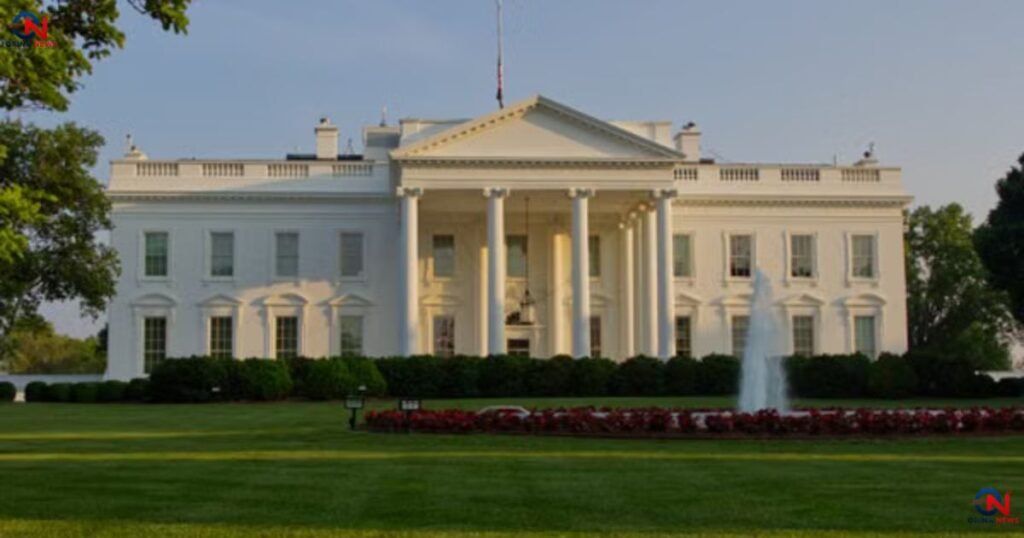
Reuters broke the story on October 15, reporting that the order to limit Starshield — the military-grade version of SpaceX’s Starlink service — came from inside the White House. Two American officials and one Western official, all speaking on condition of anonymity, said leaders at the Defense Department received a message that the Starshield service for the Ukrainian military had to be slowed, though none of them named who in the White House made the decision. The Pentagon is the biggest customer of Starshield, and Ukrainian officials said the restriction arrived with no warning. The report landed at a tense moment: Trump has been pressing Kyiv to stop its attacks on Russian oil refineries, which he blames for rising energy prices that could hurt Republicans in the November 3 midterm elections — a race Trump has been campaigning in personally. Reuters noted, however, that experts attribute the price surge mainly to the wider war with Iran and the near-closure of the Strait of Hormuz.
What the Starlink Ukraine Throttling Did on the Battlefield
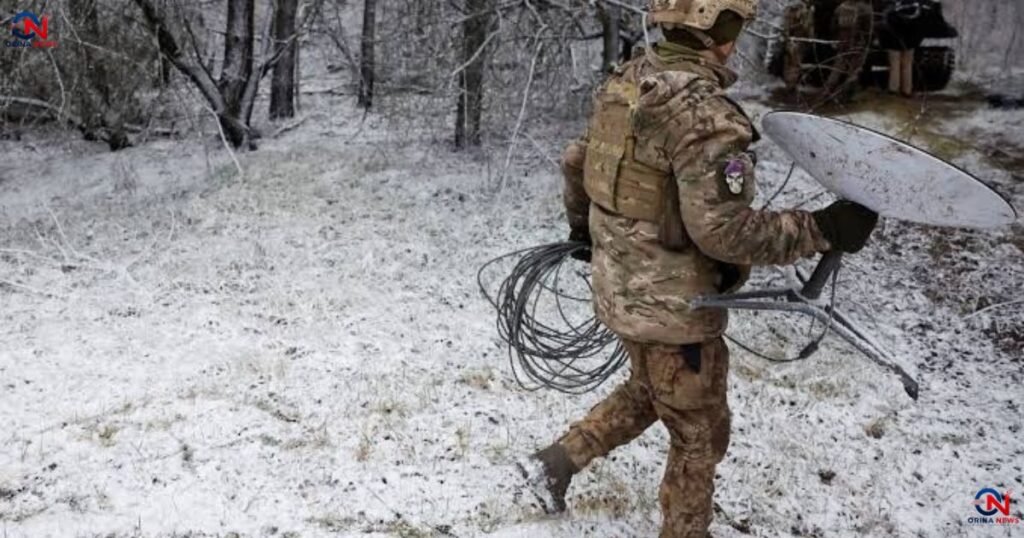
The slowdown was technical but brutal. Overnight on Tuesday, a speed cap of about 100 miles per hour — 160 kilometers per hour — was placed on Starlink terminals in motion, meaning anything moving faster lost its connection, Ukrainian defense technology adviser Serhii Beskrestnov said. Ukrainian drones, which rely on the system for onboard guidance, were effectively blinded at higher speeds, and air defenses weakened just as Russian strikes hit communications and energy sites used by the military. About 600,000 people were left without power, the BBC reported. On the front line, the impact was immediate. A 28-year-old artillery soldier identified only by his callsign, Ukrlan, told Reuters from a bunker in the Donbas that internet speeds at his position had deteriorated sharply and communication with headquarters had broken down. Zelenskyy later called the slowdown a dangerous and unpleasant surprise for forces fighting jet-powered Russian drones.
Trump and Musk Deny Any Role in the Slowdown

Both men at the center of the storm deny any involvement. On Friday, Trump told reporters at the White House: “It wasn’t me and I don’t think it was Elon,” adding, “we didn’t do that at all,” and saying he was not sure the service had ever slowed down. A senior American official went further, telling Reuters: “No such request was ever made by the president.” Musk, whose company operates the network, wrote on X on October 14 that Starshield limits are decided by the American military and, in his words, “ultimately POTUS.” The denials directly clash with the Reuters sourcing, which placed the decision inside the White House — though the officials could not say exactly who gave the order. A bipartisan group of American senators has since signed a letter calling for a formal investigation into the disruption.
What Comes Next for Ukraine’s Satellite Lifeline
As of Friday, the service had improved but was not fully restored, Zelenskyy said after meeting European leaders in Brussels — a gap he warned was putting civilian lives at risk. Ukrainian officials said they had received signals from Washington that the lost capabilities would return, but the previous speed limits were still not back in place. The episode has shaken trust: Kyiv is now openly discussing alternatives to its dependence on an American-controlled network, and European officials are accelerating work on their own satellite systems. For now, Ukraine’s drone crews are flying with a system that can vanish without warning — and with no clear answer about who ordered it to slow down. The Senate investigation, if it proceeds, may finally name the official behind the decision.
FAQs
- What is Starshield?
The military-grade version of SpaceX’s Starlink satellite internet service; the Pentagon is its biggest customer, Reuters reports. - When did the slowdown begin?
Overnight on Tuesday, October 14, when a 100 mph (160 km/h) speed cap was placed on Starlink terminals in motion. - How did it affect Ukraine’s military?
Drones moving faster than the cap lost their guidance link, air defenses weakened during Russian strikes, and about 600,000 people lost power. - Did Trump admit to ordering the slowdown?
No. He denied it on October 16, saying “It wasn’t me and I don’t think it was Elon,” and a senior official said no such request was ever made. - Has the service been restored?
Zelenskyy said on Friday it had improved but was not fully back to normal, and Kyiv is now looking at alternative satellite options.

Welcome to Orina News! I’m Muhammad Anis.