
Canadian Prime Minister Mark Carney’s criticism of the new U.S. tariffs has intensified concerns about the future of Canada-U.S. economic relations. Following the collapse of trade negotiations, Carney described the tariff measures as a serious miscalculation that could harm both countries. The dispute has raised fears of a broader _trade war_, increased _tariff increases_, and growing _global trade tensions_ across North America.
As both governments prepare retaliatory actions, businesses are closely watching the potential _economic impact_ on industries, consumers, and supply chains. The outcome of this conflict could reshape _cross-border trade_, influence future negotiations, and test the strength of the long-standing economic partnership between Canada and the United States.
Overview of the U.S.-Canada Trade Dispute

The trade dispute began after negotiations between Canadian and American officials failed to produce a mutually acceptable agreement. Although both sides reported progress throughout the discussions, last-minute disagreements ultimately prevented a deal from being finalized.
The United States proceeded with new tariff increases affecting approximately $20 billion worth of Canadian exports. These import duties took effect immediately after negotiations collapsed, marking a sharp deterioration in bilateral relations between two of the world’s largest trading partners.
For decades, Canada and the United States have maintained one of the world’s most integrated trading relationships. The current conflict threatens that relationship and increases the risk of a broader trade war that could impact businesses, consumers, and investors on both sides of the border.
Mark Carney’s Response to the New U.S. Tariffs

Prime Minister Mark Carney strongly criticized the new U.S. trade policy, arguing that Washington’s demands during negotiations were economically unreasonable and unfair.
According to Carney, American negotiators introduced terms that undermined Canada’s interests and raised doubts about whether a reliable long-term agreement could be achieved. He stated that the United States demanded too many concessions while offering insufficient benefits in return.
Carney also emphasized Canada’s commitment to protecting its economic sovereignty. He argued that Canada must maintain the freedom to negotiate trade agreements with other countries and preserve protections related to its language, culture, and national interests.
His comments reflect growing concerns in Ottawa that the proposed terms would have weakened Canada’s position in future international trade agreements and reduced its ability to shape independent trade policy.
Details of the New U.S. Tariffs
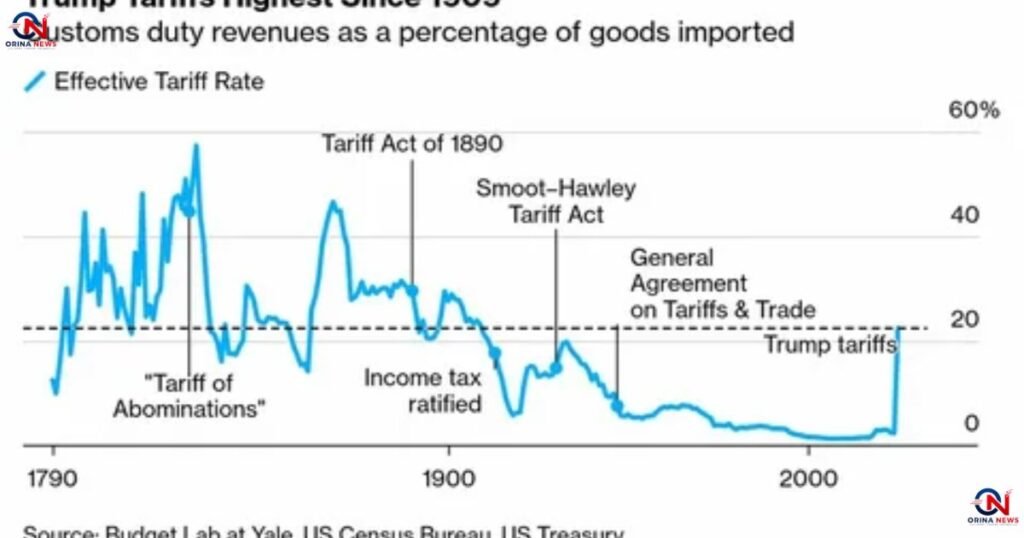
The new tariffs represent one of the most aggressive trade measures imposed against Canada in recent years.
Key Features of the Tariffs
- 50% duties on a broad range of Canadian goods
- Coverage of roughly $20 billion in imports
- Products affected include building materials, clothing, liquor products, and other manufactured goods
- Implemented immediately after trade negotiations ended
The White House imposed these measures under Section 338 of the Tariff Act of 1930, a rarely used provision that allows duties of up to 50% against a foreign trade partner deemed to discriminate against U.S. commerce.
The dispute also intersects with existing Section 232 tariffs affecting industrial products such as steel and aluminum. Canadian officials had hoped negotiations would reduce these trade barriers and improve market access for exporters.
Canada’s Retaliatory Measures

Canada quickly announced plans for trade retaliation.
Carney stated that Canada would match the American tariffs dollar for dollar in an effort to defend domestic industries and preserve the country’s export market.
Industries Targeted by Canada’s Response
The Canadian government indicated that its countermeasures would focus on:
- Steel
- Dairy products
- Household appliances
- Agricultural equipment
- Pulp and paper
- Electronics sector products
These retaliatory actions are designed to increase pressure on American exporters while minimizing damage to the Canadian economy.
However, many economists warn that prolonged trade retaliation could create additional supply chain disruption and increase costs for consumers in both countries.
Major Reasons the Trade Talks Collapsed

Several major disagreements contributed to the failure of the negotiations.
Last-Minute Changes to the Deal
Carney said American negotiators introduced significant changes near the end of discussions, including proposals that altered tariff treatment for vehicles and commercial trucks.
Restrictions on Future Trade Agreements
One of Canada’s biggest concerns involved U.S. proposals that could limit Canada’s ability to pursue trade agreements with other nations. Canadian officials viewed these demands as incompatible with their long-term economic strategy.
Concerns Over Sovereignty
Carney also claimed the proposed terms affected Canada’s ability to protect its culture, language, and sovereignty. These issues became major obstacles to reaching a final agreement.
Disagreements Over Existing Retaliatory Measures
U.S. Trade Representative Jamieson Greer argued that Canada continued maintaining restrictions on certain American goods and services, creating additional tension during negotiations.
Economic Impact on Canada and the United States
The economic impact of the dispute could extend well beyond the industries directly targeted by tariffs.
Impact on Businesses
Manufacturing companies, exporters, and importers face higher costs due to increased tariff barriers. Industries dependent on cross-border trade may experience reduced competitiveness and lower profit margins.
Impact on Consumers
Higher tariffs often lead to increased consumer prices. Businesses facing additional costs may pass those expenses on to households through higher prices on goods and services.
Impact on Supply Chains
North American supply chains are deeply interconnected. Trade restrictions can disrupt production networks, delay shipments, and increase operational costs across multiple sectors.
The U.S. Chamber of Commerce warned that higher tariffs could damage both economies, threaten millions of jobs, and further disrupt critical supply chains. The Canadian Chamber of Commerce expressed similar concerns, describing the dispute as harmful to North American competitiveness.
Political Reactions and Expert Analysis
The dispute has triggered strong reactions from political leaders across Canada.
Provincial Leaders Respond
Wab Kinew, Premier of Manitoba, urged the federal government to take a firm stance against the United States.
Doug Ford of Ontario publicly backed Carney’s plan for a strong response, emphasizing national unity.
David Eby of British Columbia pledged continued support for defending Canadian interests.
Meanwhile, Danielle Smith of Alberta cautioned that no one benefits from a trade war and called for renewed negotiations.
Expert Concerns
Trade experts and business groups warn that prolonged global trade tensions between Canada and the United States could weaken business investment, reduce economic growth, and create uncertainty for exporters and manufacturers.
Implications for the USMCA (CUSMA) Trade Agreement
The dispute has renewed debate about the future of the United States-Mexico-Canada Agreement (USMCA), known in Canada as CUSMA.
Carney has previously argued that the tariffs conflict with the spirit and obligations of the trade agreement. Critics suggest that imposing substantial duties on a major partner undermines confidence in the framework that governs North American trade.
If tensions continue, legal challenges may emerge regarding the compatibility of these tariffs with existing international trade agreements.
The fact that Section 338 has never previously been used in this manner could also result in significant court battles.
What Happens Next in U.S.-Canada Trade Relations?
The immediate future remains uncertain.
U.S. Trade Representative Jamieson Greer stated that no new negotiations are currently planned and warned that Washington would respond to Canadian countermeasures.
However, history suggests that trade disputes can eventually be resolved through continued dialogue. Previous tariff conflicts involving China and the United States ultimately led to negotiations that reduced trade tensions.
Key factors to watch include:
- Potential legal challenges to the tariffs
- Future negotiations between Ottawa and Washington
- Responses from businesses and industry groups
- Effects on the Canadian economy and U.S. economy
- The long-term stability of North American trade relations
Frequently Asked Questions (FAQs)
Why did the U.S. impose new tariffs on Canada?
The United States imposed the tariffs after trade negotiations collapsed. U.S. officials argued that Canada had failed to finalize an agreement and maintained policies they considered problematic.
Why did Mark Carney call the tariffs a miscalculation?
Carney believes the tariffs are economically harmful and based on unfair demands that would have undermined Canada’s interests and negotiating position.
What products are affected by the tariffs?
Affected products include building materials, clothing, liquor products, and other Canadian exports worth approximately $20 billion.
How is Canada responding?
Canada plans to impose matching tariffs on selected American sectors, including steel, dairy, appliances, agricultural equipment, pulp and paper, and electronics.
Could the tariffs face legal challenges?
Yes. Legal experts expect challenges because the tariffs were imposed under Section 338 of the Tariff Act of 1930, a provision that has never been used before.
Conclusion
The collapse of U.S.-Canada trade negotiations marks a major turning point in North American economic relations. Mark Carney’s criticism of the new tariffs and Canada’s decision to respond with countermeasures signal a period of heightened uncertainty for businesses, consumers, and policymakers. While both countries remain deeply connected through trade, investment, and shared supply chains, the path forward will likely depend on whether leaders can rebuild trust and return to meaningful negotiations before the dispute causes lasting economic damage.
SEO Title
Mark Carney Calls U.S. Tariffs a Miscalculation as Canada-U.S. Trade Talks Collapse
Meta Description
Canadian Prime Minister Mark Carney criticized new U.S. tariffs after trade talks collapsed. Learn about Canada’s response, economic impact, USMCA implications, and what’s next.
